
What is CVE-2026-24061?
CVE-2026-24061 is an authentication bypass vulnerability affecting the Telnet service provided by GNU Inetutils. The issue allows an unauthenticated remote attacker to bypass expected authentication checks and gain access to the Telnet service under certain conditions. While Telnet is widely recognized as a legacy protocol, it remains present on a surprising number of internet-facing systems, particularly in older Unix-like environments, embedded devices, and infrastructure that has not undergone recent hardening or modernization.
At a technical level, the vulnerability stems from improper enforcement of authentication logic during Telnet session establishment. Under specific circumstances, the service may incorrectly treat a connection as authenticated or skip validation steps that should occur before granting access. From an attacker’s perspective, this converts what should be a credential-gated remote service into one that may be accessed without valid credentials.
Authentication bypass vulnerabilities are especially dangerous in network daemons like Telnet because successful exploitation immediately grants interactive access to the host. Even when the service runs with reduced privileges, attackers can often leverage local misconfigurations or chained weaknesses to escalate access further.
What assets are affected by CVE-2026-24061?
Assets affected by CVE-2026-24061 include systems running vulnerable versions of GNU Inetutils with the Telnet service enabled and reachable over the network. The highest-risk assets are those where Telnet is exposed to the public internet, whether intentionally or unintentionally.
Commonly affected asset categories include:
- Legacy Unix and Linux servers where Telnet has not been fully disabled.
- Embedded systems, appliances, or industrial devices that rely on GNU Inetutils for basic networking services.
- Development, staging, or backup systems that were never hardened to production standards.
- Forgotten or unmanaged hosts deployed years ago and no longer actively maintained.
From an external attack surface standpoint, Telnet exposure is frequently accidental. Firewall rules, cloud security groups, or inherited network configurations may allow inbound access long after the service was intended to be retired. These systems are often poorly monitored and rarely patched, making them attractive targets once an authentication bypass is disclosed.
Are fixes available?
As of now, organizations should consult official GNU Inetutils security advisories and distribution maintainers for confirmation of fixed versions. Patches for vulnerabilities in GNU projects are typically released at the upstream level and then propagated downstream by operating system vendors and package maintainers.
Where fixes are available, remediation will likely require upgrading to a patched release of GNU Inetutils or applying vendor-supplied backported fixes. In environments where immediate patching is not feasible, disabling the Telnet service entirely is the safest interim measure. Given Telnet’s lack of transport security and long-standing deprecation in favor of SSH, there are few legitimate reasons for it to remain enabled on modern internet-facing systems.
Are there any other recommended actions to take?
Beyond applying patches, organizations should treat CVE-2026-24061 as a signal to reassess Telnet exposure across their environment. Even a single externally reachable Telnet daemon represents a high-risk entry point.
Recommended actions include auditing all externally exposed services for Telnet, regardless of whether they are believed to be in active use. Network access controls should be reviewed to ensure that legacy protocols are explicitly blocked at the perimeter. Where Telnet is required for internal operational reasons, access should be tightly restricted to trusted networks and monitored closely.
Security teams should also review authentication and access logs for Telnet services, where available, to identify suspicious connection attempts. Because authentication bypass vulnerabilities may not generate failed login events, absence of obvious alerts does not guarantee safety.
Is CVE-2026-24061 being actively exploited?
At this time, there are no confirmed public reports of active exploitation of CVE-2026-24061 in the wild. However, Telnet services are continuously scanned and targeted by opportunistic attackers, and authentication bypass vulnerabilities significantly lower the barrier to successful compromise.
Once technical details are widely disseminated, exploitation can often be automated and incorporated into mass scanning campaigns. Organizations should not rely on the absence of confirmed exploitation as a risk indicator, particularly for services as historically abused as Telnet.
How is CyCognito helping customers identify assets vulnerable to CVE-2026-24061?
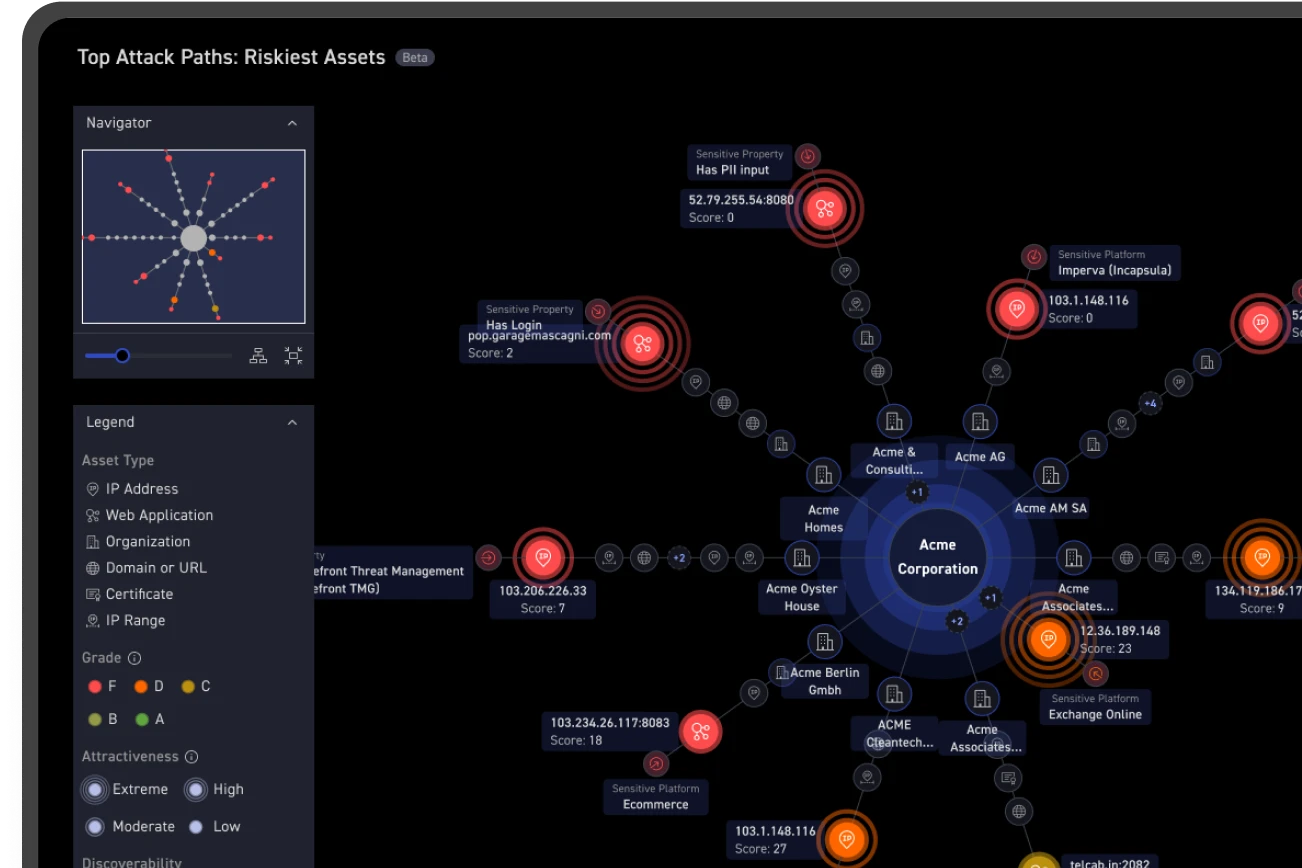
CyCognito published an Emerging Threat Advisory for CVE-2026-24061 inside the CyCognito platform on January 28, 2026, and is actively researching enhanced detection capabilities for this vulnerability. The platform already surfaces externally exposed assets tied to the affected technology stack, helping customers quickly understand which systems may be at risk. Security teams are advised to review exposed systems identified by the platform, even if vulnerable versions are not yet confirmed. For the latest guidance, reference CyCognito’s Emerging Threats page within the platform.
How can CyCognito help your organization?
CyCognito gives security teams continuous visibility into their full external attack surface, including unknown and unmanaged assets that often host legacy services like Telnet. This visibility is critical for identifying systems that fall outside standard patching and configuration workflows but still present real-world risk.
By prioritizing exposed assets based on business impact and realistic attacker paths, CyCognito helps organizations focus remediation efforts where authentication bypass vulnerabilities would have the most severe consequences. As fixes are deployed, the platform supports verification of remediation and ongoing monitoring to ensure services like Telnet are not inadvertently re-enabled or re-exposed.
Through continuous discovery and validation, CyCognito helps organizations reduce exposure to vulnerabilities like CVE-2026-24061 and prevent legacy services from becoming persistent entry points. To learn more, contact CyCognito to request a demo.