
What Is Penetration Testing?
Pentesting costs vary, but most assessments fall somewhere in the tens of thousands and can go much higher for complex environments. Pricing depends on factors such as the complexity of the target (for example web apps, cloud, mobile), the testing methodology (black box, gray box, or white box), and the experience and specialization of the penetration testing team
Penetration testing, commonly known as pentesting, is a security assessment technique where professionals simulate cyberattacks against computer systems, networks, or applications to find and exploit vulnerabilities. The primary objective is to identify real-world security weaknesses before malicious actors can exploit them.
Factors that influence penetration testing costs include:
- Complexity and scope: A larger number of endpoints, APIs, and network segments increases the time and effort required, thus raising the cost.
- Target type: Related to scope, different types of tests will also have different price points. For example, cloud penetration testing is often more expensive than external network testing.
- Methodology: The chosen methodology, such as black-box (no prior knowledge), white-box (full knowledge), or grey-box, affects the scope and time required.
- Experience of the team: More experienced penetration testers often command higher rates.
- Additional services: Including services like vulnerability management or cloud security configuration reviews can increase the total price.
Typical price ranges by test type:
- Web application: $5,000 to $30,000+
- Network (internal): $7,000 to $35,000+
- Network (external): $5,000 to $20,000+
- Mobile application: $5,000 to $30,000+
- Cloud: $10,000 to $40,000+
- API: $5,000 to $20,000+
- IoT: $10,000 to $50,000+
Penetration testing results provide actionable insights that enable organizations to strengthen their defenses. Reports typically include details of discovered vulnerabilities, proof-of-concept exploits, and prioritized remediation recommendations. Organizations use these findings to comply with various standards, reduce risk, and maintain trust with customers and stakeholders.
Traditional Penetration Testing vs. Red Teaming vs. PTaaS
Traditional penetration testing, red teaming, and pentesting-as-a-service (PTaaS) are all methods of assessing security posture, but they differ in goals, execution, and pricing models.
Traditional penetration testing is a structured, point-in-time engagement where testers simulate specific attack scenarios to uncover vulnerabilities in systems, applications, or networks. These engagements typically run for a few days to several weeks and are scoped in advance. Penetration testing pricing is usually project-based, with costs determined by the number of systems tested, complexity, and test methodology. Regular penetration testing is best suited for meeting compliance requirements or validating the security of new or updated systems.
Red teaming is more focused on emulating real-world adversary behavior over an extended period to test detection and response capabilities. Rather than identifying all vulnerabilities, the goal is to achieve objectives like data exfiltration or privilege escalation while avoiding detection. Red teaming is often run internally or by specialized consultancies and typically involves higher average penetration testing costs due to the depth, time, and expertise required. As an internal penetration test method, it’s usually reserved for mature security teams with robust monitoring and incident response capabilities.
PTaaS (Penetration testing-as-a-service) delivers pentesting via a recurring subscription model, providing continuous or on-demand access to testing resources. Penetration testing services allow organizations to test frequently or after changes in code or infrastructure without the overhead of repeatedly scoping new engagements. PTaaS platforms typically include dashboards, ticketing integrations, and direct collaboration with testers. Subscription fees vary based on test frequency, coverage, and platform features.
This article focuses exclusively on traditional penetration testing, covering its pricing structure, influencing factors, and cost ranges for different test types.

Operationalizing CTEM Through External Exposure Management
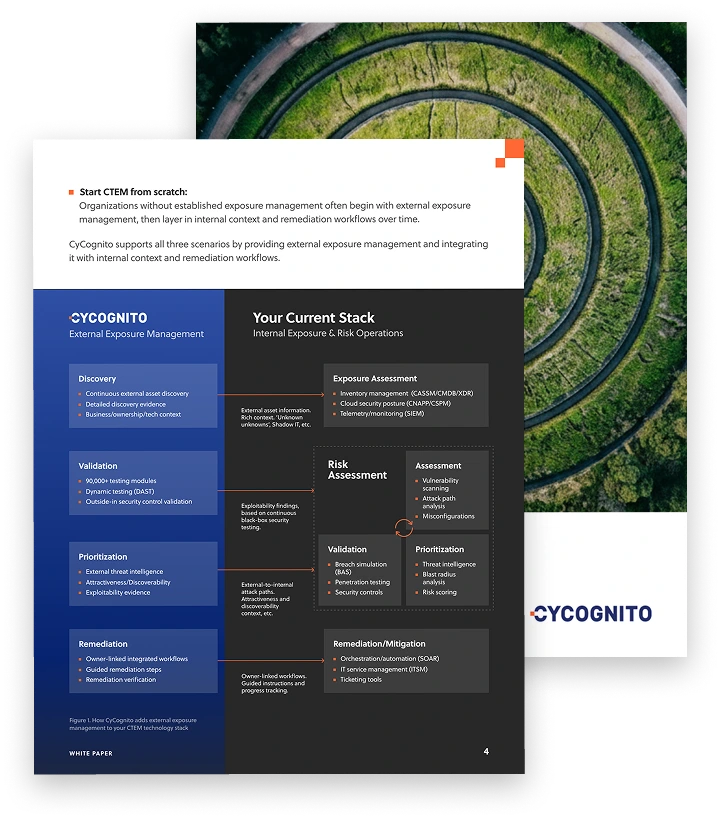
CTEM breaks when it turns into vulnerability chasing. Too many issues, weak proof, and constant escalation…
This whitepaper offers a practical starting point for operationalizing CTEM, covering what to measure, where to start, and what “good” looks like across the core steps.
Typical Pentesting Pricing Ranges
Penetration testing costs can vary widely based on the scope, complexity, and methodology used. The pricing figures in this section are estimates only, based on common industry knowledge, and actual pricing by penetration providers can vary.
For moderate-scope, medium-complexity projects, the penetration test quote typically fall within the following ranges:
- External IT infrastructure: $5,000-$20,000
- Internal IT infrastructure: $7,000-$30,000
- Web applications, mobile apps, APIs: $5,000-$30,000
- IoT networks: $7,000-$50,000
- Cloud environments: $12,000-$50,000
Several factors influence these prices: The number and complexity of targets (e.g., user roles, dynamic pages, APIs), the testing model (black, gray, or white box), and the depth of testing scenarios all affect cost. We’ll describe each of these factors in more detail below.
For example here is a typical breakdown of prices by testing model:
- Black box tests are usually the least expensive, starting around $4,000, as they simulate attacks without insider knowledge.
- Gray box tests, which assume limited access to internal information, typically start from $5,000.
- White box tests, offering the most thorough analysis using full system knowledge, typically begin at $7,000.
Key Factors That Influence Pentesting Cost
Let’s summarize the key factors that influence the cost of traditional penetration tests:
- Complexity and scope of the assessment: The larger and more complex the pentest scope, the higher the engagement cost will be. Assessments covering large networks, multiple platforms, multi-tier applications, extensive cloud deployments, or integrated third-party penetration testing services require additional planning, deeper technical expertise, and more testing hours. Each asset, interface, and integration adds to the total testing effort and the number of attack vectors to be reviewed.
- Type of penetration test and attack surface: Different types of penetration tests, such as network, application, wireless, social engineering, or physical security, entail varying degrees of difficulty and associated costs. An external infrastructure assessment may be less expensive than a full-scope, multi-layered application pentest with manual code review.
- Tester expertise and certifications: The skill and experience level of the pentesters engaged can significantly affect costs. Senior consultants and skilled testers, especially those holding advanced certifications like OSCP, OSCE, or CREST, command higher rates but are capable of uncovering subtle, advanced vulnerabilities missed by entry-level practitioners. These experts can also better contextualize risk and deliver more actionable remediation guidance.
- Methodology: Choice of testing methodology (black box, white box, or grey box) influences the depth of the assessment and its cost. Black box testing, performed with no prior knowledge of the environment, simulates an external attacker and often takes longer due to the need to map out unknown infrastructure. White box testing, where testers have complete access to design documents and credentials, allows for faster, more thorough analysis but requires secure handling of sensitive information. Grey box assessments blend these approaches.
- Compliance and regulatory requirements: Mandatory compliance frameworks such as PCI DSS, HIPAA, SOC 2, and ISO 27001 often dictate specific pentesting cadence, scope, and reporting requirements, affecting both depth and documentation workload. Providers experienced with regulatory reporting typically charge more due to the need for extensive evidence-gathering, detailed tracking, and validated remediation.
- Duration, retesting, and remediation cycles: A pentest with tight deadlines or requirements for after-hours testing can increase rates due to resource allocation or overtime premiums. Formal retesting (verifying whether previous findings have been remediated) adds to price but is critical for closing identified security gaps. Remediation support, such as consultation on fixes and iterative validation, can be part of the initial engagement or billed as a separate line item.
- Geography and provider size: Provider location and scale influence penetration testing costs due to labor market differences, regulatory overhead, and service delivery models. Larger firms and boutique consultancies in North America, Western Europe, or Asia-Pacific charge more due to experienced staff, higher operational expenses, and robust process infrastructures. Smaller or offshore providers may offer lower penetration test quotes, but possible trade-offs include inconsistent quality, communication barriers, or lack of local regulatory expertise.
Pricing Models Used By Penetration Testing Providers
1. Fixed-Price Engagements
Fixed-price pentesting contracts establish a predetermined fee for a defined scope of work, making penetration testing costs fully transparent upfront. These projects are most suited for organizations with well-defined boundaries, such as a specific number of applications, servers, or networks requiring assessment. The advantage lies in predictable overall costs, clear deliverables, and easier budget approval processes.
However, fixed-price arrangements can be restrictive if testing needs evolve during the engagement. Any changes in scope, such as adding new assets or expanding test depth, may require renegotiation or incur change fees. Organizations should ensure that project scope is captured in detail to avoid contentious discussions or overlooked vulnerabilities later in the process.
2. Time and Materials (Hourly/Daily)
Time and materials models charge clients based on the actual hours or days worked by penetration testers. This approach allows maximum flexibility and is ideal for complex, evolving, or uncertain projects where scope cannot be sharply defined in advance. Hourly or daily billing ensures that clients pay only for work done, useful when unexpected discoveries require deeper investigation or engagement length fluctuates.
Despite its adaptability, this model introduces budgetary unpredictability. Without strict controls, scope creep or inefficient project management can drive overall costs above initial estimates. Organizations should implement firm project boundaries, robust status reporting, and clear communication with testers to manage expenses and maximize value.
3. Credits or Retainer-Based Models
Credits or retainer-based models involve pre-purchasing hours or credits that organizations can use for penetration testing throughout the year. This approach aligns well with businesses requiring periodic assessments, rapid response to emerging threats, or support across multiple projects. The retainer model spreads penetration testing costs and provides consistent access to experts, making scheduling and resource planning more agile.
On the downside, unused credits may expire, or organizations may underestimate their requirements, leading to either wasted investment or the need to buy additional credits at potentially higher rates. Clients should analyze historic utilization trends and negotiate rollover provisions and reporting clarity to ensure they extract maximum value from these flexible engagements.
4. Outcome-Based and Risk-Tiered Models
Outcome-based or risk-tiered pricing ties pentesting compensation to the achievement of specific objectives or the severity of security risks discovered during the assessment. Payments might fluctuate according to the number of critical vulnerabilities found, compliance achieved, or measurable improvements in security posture. This model incentivizes thorough, quality-focused work aimed directly at client risk reduction.
Challenges arise from the subjectivity around what constitutes a successful outcome or the difficulty quantifying risk mitigation achieved. Negotiating these terms can add complexity and lengthen procurement cycles. Careful scoping and clear outcome definitions are crucial so that neither party is exposed to ambiguity or disputes after testing concludes.
5. Bundled and Managed Service Options
Bundled penetration testing services combine penetration testing with related offerings such as vulnerability scanning services, phishing simulations, or continuous monitoring, packaged under one contract. Managed service options provide ongoing security assessment on a subscription basis, guaranteeing regular pentests, penetration tester support, and compliance tracking across the year. These models suit organizations seeking holistic, proactive security rather than standalone vulnerability assessments.
Bundled and managed contracts tend to lock organizations into longer-term commitments and fixed provider relationships, which may limit flexibility. However, they often yield savings through economies of scale, simplified administration, and predictable annual budgeting. Careful review of service inclusions and exit terms is necessary when adopting these solutions.
Understanding Hidden or Indirect Penetration Testing Costs
Preparation and Scoping Overhead
Significant preparation is necessary before pentesting projects begin, adding to true total cost. This includes initial risk assessments, asset inventory collection, network diagram generation, access provisioning, and legal pre-clearance—activities that demand time from IT, security, and business teams. Administrative tasks, workshops, and meetings to clarify goals and boundaries can be resource-intensive, particularly for large or highly regulated organizations.
Failure to invest adequate time in scoping can lead to missed attack surfaces or unclear expectations, necessitating mid-project changes. This results in inefficiency and possible penetration testing cost overruns. Investing in thorough pre-engagement documentation and role assignments ensures a smoother pentest, fewer project delays, and complete alignment on timelines and deliverables.
Internal Coordination and Downtime
During a pentest, internal resources from IT, security, and application support teams often need to be available for troubleshooting, investigation, and real-time response. These responsibilities can disrupt normal workflow, pull staff away from other projects, and potentially require overtime if tests are conducted after-hours to minimize user impact.
Some types of testing increase risk of service interruption or stability issues, necessitating downtime windows or production environment freezes. Even well-managed incidents can cause productivity loss and reputational impact within the business. Careful scheduling, clear communication, and robust incident response plans are needed to mitigate these indirect penetration testing costs.
Post-Test Remediation and Verification
Post-assessment activities, including remediation of discovered vulnerabilities and subsequent verification (retesting), require allocation of staff time, vendor coordination, and may necessitate emergency patching or system changes. For larger organizations, the resulting ticket load can significantly affect development, operations, or IT teams’ day-to-day productivity, sometimes stretching over weeks or months.
Retesting has its own cost, whether included in the initial contract or negotiated separately. Failure to plan for remediation and verification can delay compliance attestation, prolong risk exposure, and undermine the value of pentesting investments. Building structured remediation cycles into annual security budgets enables organizations to efficiently close gaps and demonstrate continuous improvement.
Best Practices for Optimizing Your Pentesting Investment
1. Define Clear Testing Goals Aligned With Risk
Establishing specific, risk-based objectives is foundational for pentesting value. Organizations should conduct risk assessments to identify critical assets, security controls, real-world threats, and business processes that most require testing. Defining objectives—such as regulatory compliance, protecting sensitive customer data, or simulating specific threat actors—ensures the testing engagement aligns with genuine business needs rather than arbitrary scope.
Clearly documented and communicated testing priorities enable mutual understanding between client and vendor, focus efforts on high-impact areas, and avoid wasted resources on irrelevant targets. This approach provides measurable outcomes for the testing process, sharper mitigation focus, and enables ongoing benchmarking against security goals.
2. Use a Hybrid Model with Automated and Manual Testing: Don’t Underestimate the Human Element
Combining automated vulnerability scanning with skilled manual testing delivers more comprehensive and cost-effective results. Automated scans can efficiently identify common vulnerabilities, misconfigurations, and weaknesses across large environments, freeing skilled penetration testers to focus on complex, logic-based attacks, chaining exploits, or identifying subtle, novel threats.
A hybrid workflow ensures organizations benefit from the speed and scalability of automation without sacrificing the depth and creativity of expert-driven engagement. This balance reduces overall penetration testing cost, increases accuracy, and maximizes return on investment. Regularly reassessing how technology and human analysis complement each other is essential as threat landscapes and automaton capabilities evolve.
3. Schedule Periodic Retests and Track Remediation
Threat landscapes and IT environments change constantly, making one-off assessments insufficient for sustainable security. Scheduling periodic retests—annually, quarterly, or after key system upgrades—helps organizations detect new vulnerabilities, validate remediation effectiveness, and maintain regulatory compliance. Clear tracking systems assign responsibility, monitor progress, and ensure timely closure of findings.
Regular retests , automated scans, and remediation cycles build a culture of continuous testing. This approach demonstrates diligence to auditors, customers, and management, reduces long-term risk, and supports an adaptive security posture in dynamic business environments.
4. Choose Vendors With Transparent Reporting and Reliable Penetration Testers
Effective pentest reporting goes beyond vulnerability lists to provide risk context, feasible exploitation paths, and actionable remediation guidance. Vendors who offer detailed, transparent reporting—often including executive summaries, technical evidence, and prioritized recommendations—help clients understand what matters most and take swift action.
Transparent documentation streamlines post-engagement follow-up, supports compliance audits, and enables collaboration between security and other business units. Choosing providers with a track record of clear communication and tailored reporting standards reduces ambiguity, speeds up remediation, and improves security investment outcomes.
5. Leverage Findings for Long-Term Security Maturity
Pentesting is most valuable when findings are used to drive ongoing security improvements rather than short-term fixes. Organizations should analyze trends in reported vulnerabilities, root causes, and recurring weaknesses, feeding lessons learned into security policies, awareness training, and future architecture decisions. This enables smarter investment and proactive risk management.
By building formal processes for review, knowledge sharing, and process improvement, organizations can combine pentesting with broader vulnerability management services for a mature, resilient security program. This long-term focus increases efficiency, reduces repeat issues, and positions the security team as a strategic business enabler rather than a compliance checkbox.
How CyCognito Reduces Pentesting Costs
CyCognito is an attack surface management platform that also provides continuous validation through active security tests. In practice, this delivers automated penetration testing at the scale of an organization’s entire external footprint.
When used alongside manual pentesting, CyCognito typically replaces about 40–80% of the testing workload that organizations would otherwise purchase from external firms. For large environments, this reduction can translate into significant annual savings, often measured in hundreds of thousands of dollars.
Automated discovery removes manual reconnaissance:
The platform maintains a complete, continuously updated inventory of all internet-facing assets across cloud, on premises, subsidiaries, and third parties. This eliminates the manual discovery phase that often consumes days of a traditional engagement. It also closes the visibility gap that leads most organizations to test only about 10% of their exposed assets due to the cost of mapping them manually.
Active testing replaces routine validation work:
CyCognito runs active security testing using more than 90,000 attack models across 35 test categories. Tests are executed from a global network of more than 60,000 nodes in over 100 countries. This allows the platform to validate common vulnerabilities and external misconfigurations at scale, removing much of the repetitive baseline work that manual pentesters are typically hired to perform.
Manual testing focuses on the assets that matter:
Because CyCognito discovers and tests the full external footprint, the scope handed to human pentesters is limited to the smaller set of assets that show meaningful exposure or business impact. Manual effort shifts from broad target lists to deeper scenario work on the 20–40% of assets where human analysis is needed. This directly reduces the hours and target counts that drive traditional pentesting cost.
Pentesters start with verified, prioritized findings:
Results include validated weaknesses with exploitability and context. Manual teams begin with a defined list of meaningful targets and known conditions instead of spending time rediscovering issues the platform already confirmed. This shortens project duration and improves the quality of manual efforts without inflating cost.
CyCognito does not replace manual penetration testing. It changes its cost structure by moving a large part of the work from time-based, project consulting to continuous, platform-driven testing, so organizations buy fewer hours of manual effort and use them more selectively.